
High-Power-Density DC/DC Modules Drive Compact Industrial Equipment Upgrades
Amid the trend toward smaller industrial equipment, high-power-density DC/DC modules deliver more power in a smaller footprint through magnetic integration, high-frequency switching and advanced packaging. They help reduce control cabinet size and leave more room for controllers, communication units and functional boards. These modules focus on high efficiency, low thermal stress and compact construction while maintaining isolation voltage, EMC and safety specifications. As robots, base stations, portable energy storage and airborne equipment evolve, high-power-density modules have become essential building blocks for compact industrial electronics.
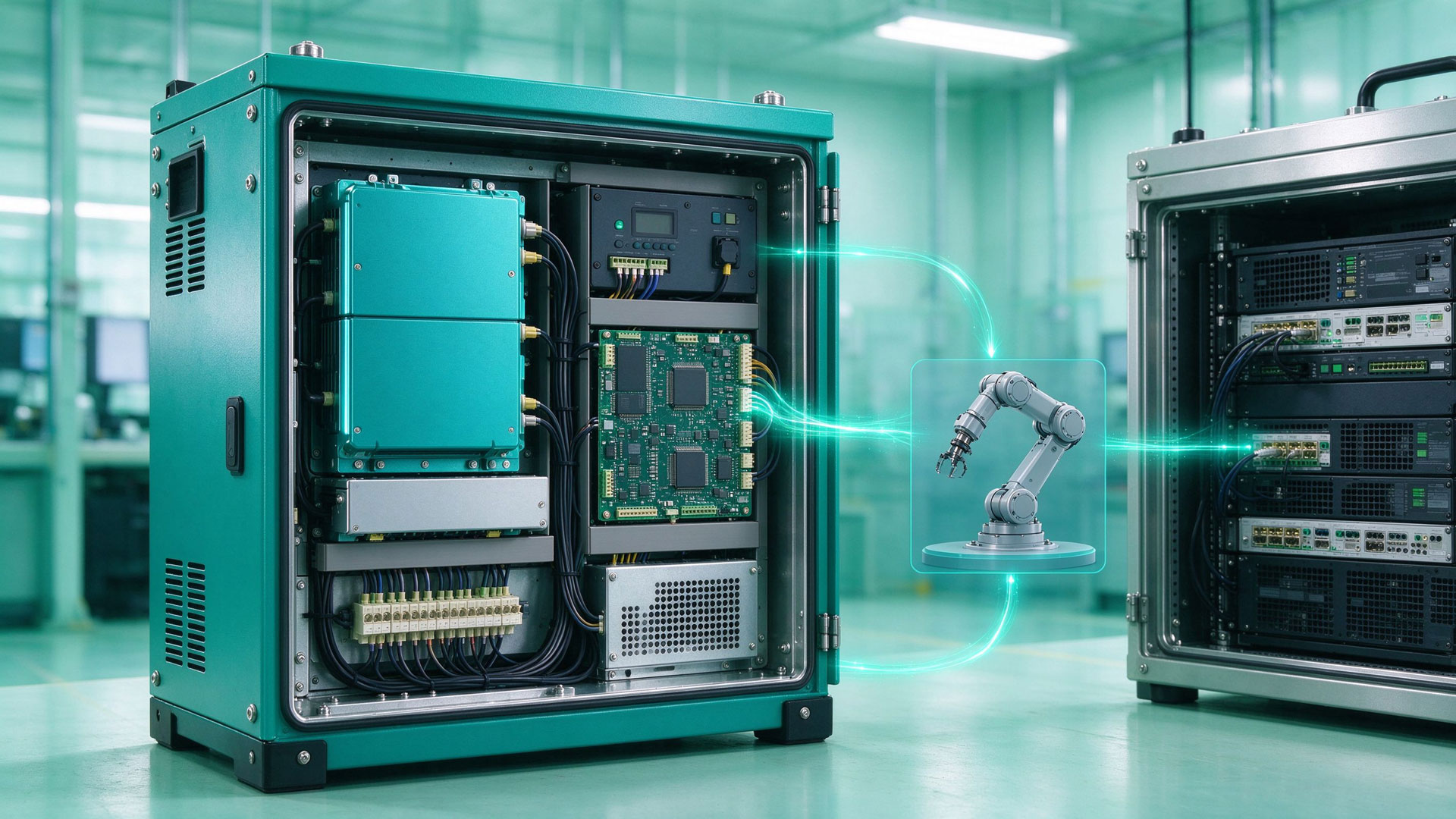
Industrial equipment is rapidly becoming smaller, lighter and more integrated. In robot controllers, base station remote units, airborne electronics, portable energy storage systems and compact industrial control cabinets, space is extremely limited. When the power section is too large, it often squeezes the layout room for control boards, communication boards, sensor interfaces and cooling structures. High-power-density DC/DC modules allow device makers to obtain higher power capability in limited space, shifting the system design from “power-centric” to “function-centric.”
The key to higher density lies in magnetic integration and high-frequency operation. Traditional designs place transformers, inductors and filters separately, occupying significant board area. High-density modules integrate some magnetic components and raise switching frequency to shrink transformers and filters. However, higher frequency cannot be increased alone; it must be balanced against switching loss, electromagnetic interference and temperature rise. Topology optimization, low-loss devices and improved drive and snubber circuits are also required.
Packaging is equally important. High-density modules use compact construction, thermal substrates and effective potting to conduct heat quickly and reduce hot spots. Some adopt planar magnetics, multilayer boards and optimized grounding to further reduce height and volume, making them suitable for thin devices and board-mount applications. After density increases, heat becomes more concentrated, so customer systems need sufficient cooling area, ventilation or metal heat paths to preserve long-term reliability.
Electrical performance must not be sacrificed for size. High-density modules still need to meet isolation voltage, creepage distance, clearance and EMC requirements. Designers use electric field simulation, thermal simulation and signal integrity analysis to balance size, temperature, noise and safety. Customers must carefully evaluate layout, grounding, filtering and thermal paths during integration to avoid increased interference or insufficient cooling.
In robotics, controllers demand compact size and fast dynamic response, so high-density modules support smaller joint drives and control units. Communication cabinets require high density, high efficiency and reliability for complex boards. Airborne and on-board electronics are more sensitive to size, weight and vibration. As equipment functions grow, customers often want higher power without changing mechanical size, giving high-density modules stronger market value.
Going forward, high-power-density DC/DC modules will integrate more protection, diagnosis and digital control functions. They will evolve from simple converters into system components with monitoring, fault reporting and intelligent management, further enabling compact and smarter industrial, communication and renewable energy equipment.